


At Experion, we specialize in delivering custom API development services that empower businesses to unlock new possibilities and drive seamless integration across systems and go beyond integrations, ensuring that your APIs aren’t just connectors but strategic assets that fuel growth and innovation. In a world where digital transformation is the key to staying competitive, APIs (Application Programming Interfaces) play a crucial role by enabling smooth communication between software applications, platforms, and devices. Whether it’s enhancing customer experiences, improving operational efficiency, or driving innovation, APIs have become essential tools for modern enterprises.
What is Custom API Development?
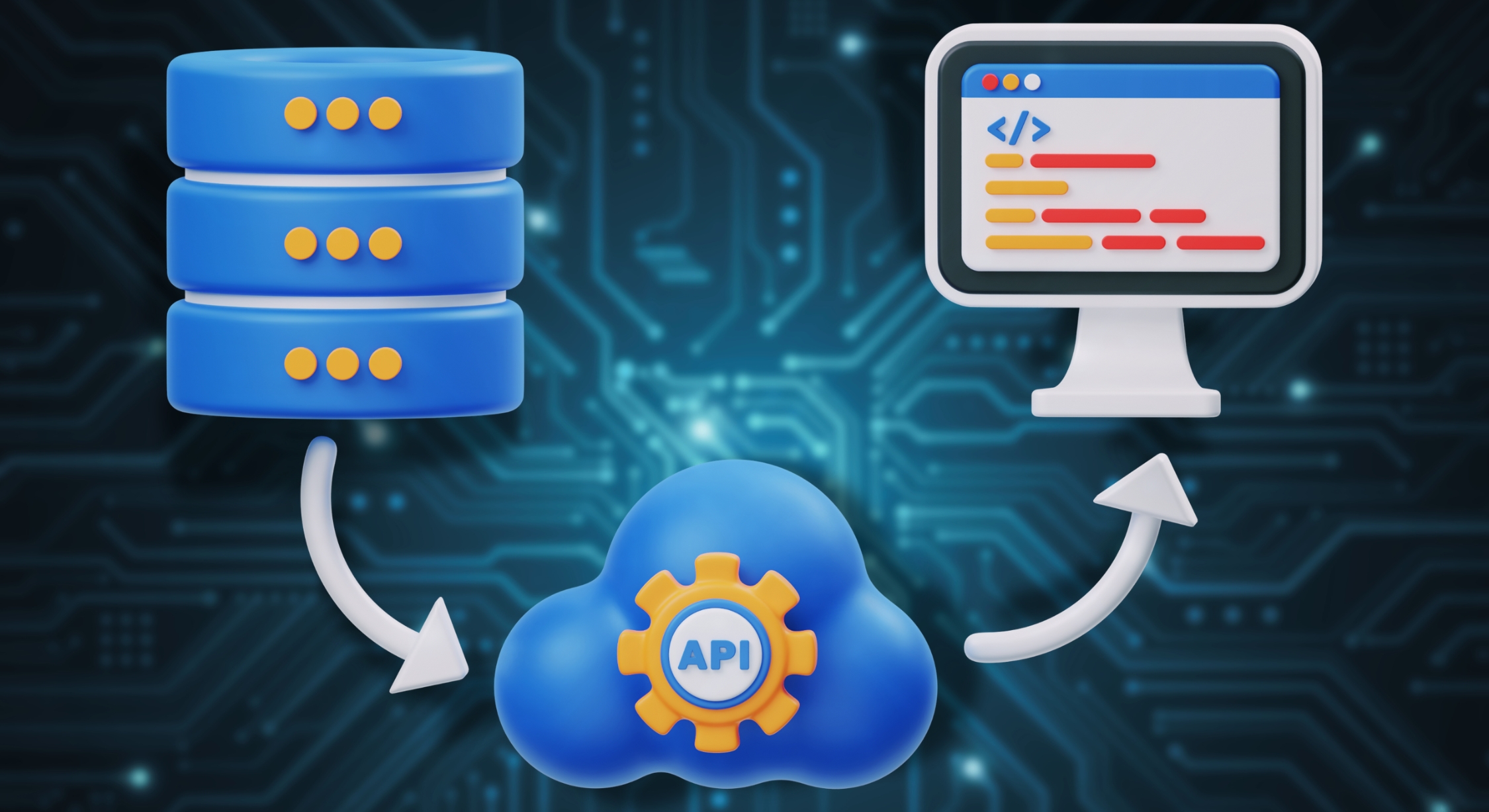

Custom API development refers to the process of building APIs tailored specifically to fit a business’s unique needs and ecosystem. Unlike third-party APIs, which offer standardized solutions to a broader audience, custom APIs are designed with the flexibility to align perfectly with your company’s software architecture, business goals, and workflows.
By choosing custom API development services, companies gain complete control over how their systems communicate and evolve. Custom APIs allow businesses to address unique challenges, enhance security measures, and ensure that integrations grow alongside their future needs. While third-party APIs can provide quick solutions, they often come with limitations, such as dependency on external providers and restricted customization. With custom APIs, businesses are free to design features and integrations that deliver maximum value, ensuring a future-proof digital strategy.
Benefits of Custom API Development
Scalability
Custom APIs are designed with scalability in mind, meaning they can grow alongside your business. As your organization expands, your custom APIs can accommodate increasing user demands, data traffic, and additional services without requiring major overhauls. Whether adding new features, expanding integrations, or scaling infrastructure, custom APIs provide the agility to adapt seamlessly to evolving needs. For instance, an online marketplace with a growing customer base can rely on scalable custom APIs to handle rising transaction volumes and integrate with new logistics partners, ensuring smooth operations as business demand increases.
Tailored Integration
Custom APIs align perfectly with your existing workflows, tools, and platforms, eliminating the need to adjust your operations around off-the-shelf solutions. They allow for highly customized interactions between internal and external systems, improving coordination and creating a seamless user experience.
Enhanced Security
Custom APIs allow businesses to implement robust security measures that align with their unique risk profiles and compliance needs. Unlike third-party APIs that may pose security vulnerabilities or limit your control over sensitive data, custom APIs ensure strict authentication, encryption, and access management, giving you peace of mind. For example, financial services company can use custom APIs to encrypt sensitive data and enforce multi-factor authentication across platforms, ensuring data integrity and regulatory compliance.
Improved Efficiency
Custom APIs reduce manual processes by automating communication between applications, improving productivity, and minimizing the risk of human errors. With custom APIs, data flows seamlessly between systems, enabling faster operations and smoother workflows.
Cost-Effectiveness
While custom APIs may involve higher initial development costs, they offer long-term savings by eliminating the recurring fees and constraints associated with third-party APIs. Additionally, businesses avoid the hidden costs of retrofitting generic APIs to meet their specific needs, resulting in more efficient operations over time. For instance, an enterprise with multiple internal applications can replace expensive third-party API licenses with custom APIs, gaining full control over functionality and reducing ongoing costs.
Use Cases of Custom API Development


E-commerce Platforms
In the fast-paced world of e-commerce, ensuring smooth and efficient operations across multiple systems is crucial for delivering a seamless shopping experience. Custom APIs are instrumental in integrating various essential components, ensuring the entire sales process functions without disruption. These integrations include:
- Inventory Management: APIs connect e-commerce platforms with inventory management systems, ensuring real-time stock updates across multiple channels. This prevents overselling or out-of-stock situations, improving customer satisfaction.
- Payment Gateways: Custom APIs link e-commerce websites with various payment providers, allowing businesses to offer multiple payment options to customers. This enhances the checkout process by providing secure, fast, and reliable payment methods.
- CRM (Customer Relationship Management): APIs enable integration with CRM tools, allowing businesses to capture customer data and use it for personalized marketing, sales forecasting, and improving customer engagement.
- Shipping and Logistics: Custom APIs automate shipping processes by integrating with logistics services. This allows customers to track their orders in real time and ensures timely delivery, leading to higher customer satisfaction and retention.
By automating these processes with custom APIs, e-commerce platforms can reduce manual intervention, expedite order fulfillment, and deliver a smooth, frictionless experience for customers.
Mobile App Development
Mobile apps are heavily dependent on robust backend systems to function smoothly and provide an optimal user experience. Custom APIs act as the bridge between the mobile interface and the backend databases or services, allowing users to interact with the app’s functionalities in real time. Specific use cases in mobile app development include:
- User Authentication: APIs facilitate secure login and authentication processes, enabling users to register, log in, and authenticate themselves across different devices and platforms. This can include OAuth-based social logins (e.g., Google, Facebook) or custom authentication mechanisms tailored to an app’s requirements.
- Data Retrieval and Synchronization: Mobile apps often need to retrieve data (e.g., user profiles, transactions, or content) from cloud databases or remote servers. Custom APIs ensure this data is fetched in real time, providing users with updated and synchronized information.
- Push Notifications and Real-Time Updates: Custom APIs enable mobile apps to send notifications, alerts, and updates directly to users’ devices. This is critical for apps like social media platforms, messaging apps, and ride-hailing services, which rely on timely updates.
- Custom Feature Rollout: Businesses can use APIs to roll out new features or updates without interrupting the user experience. APIs allow for modular updates, where changes in backend systems or specific features don’t require an overhaul of the entire app.
Custom APIs help mobile apps maintain high performance, optimize for speed, and deliver responsive interfaces, ensuring a superior user experience while enabling swift updates based on user demands.
Data Integration
For businesses that operate with data scattered across different systems, custom APIs play a crucial role in connecting and consolidating this data into a unified platform. This not only improves operational efficiency but also helps businesses derive better insights from their data. Use cases of APIs for data integration include:
- Cross-Platform Data Synchronization: Many organizations use separate tools for various functions (e.g., HR systems, finance software, marketing platforms). APIs connect these disparate tools, ensuring data flows smoothly between them. This creates a single source of truth for all business operations.
- Data Warehousing and Analytics: Custom APIs facilitate the movement of data from operational systems into data warehouses, where it can be used for reporting and analytics. This integration enables businesses to aggregate data from various sources, providing accurate insights that lead to better decision-making.
- Customer Data Platforms (CDPs): APIs integrate customer data from multiple touchpoints (e.g., website visits, social media interactions, email engagement) into a central platform, allowing businesses to get a 360-degree view of their customers. This enhances marketing efforts by enabling personalized targeting and improved customer experience.
Through API-driven data integration, businesses can break down data silos, improve data accessibility, and enable seamless collaboration between different departments, tools, and platforms.
IoT Applications
The Internet of Things (IoT) ecosystem involves numerous connected devices that need to communicate with each other and with centralized systems. Custom APIs play a pivotal role in enabling real-time data exchange and ensuring secure, reliable communication across IoT devices. Some specific use cases include:
- Device-to-Cloud Communication: IoT devices generate large amounts of data that need to be processed and stored in the cloud. Custom APIs facilitate the flow of this data from devices to the cloud for storage, processing, and analytics. For example, a network of smart sensors in a factory can send data on machine performance and environmental conditions to a cloud-based system for real-time monitoring and predictive maintenance.
- Smart Home Systems: IoT-enabled smart home devices such as thermostats, security cameras, and lighting systems rely on custom APIs to communicate with centralized control apps. Custom APIs enable these devices to be managed remotely via mobile apps or voice-activated assistants like Google Home and Alexa, providing users with convenience and flexibility in managing their home environment.
- Healthcare IoT Devices: In healthcare, wearable devices and remote monitoring tools collect patient data such as heart rate, glucose levels, or blood pressure. Custom APIs ensure this data is securely transmitted to healthcare providers in real time, enabling more effective monitoring and early intervention in case of anomalies.
By facilitating real-time communication, ensuring secure data transmission, and supporting device-specific protocols, custom APIs help businesses manage and control complex IoT environments with ease.
Custom API development is a powerful tool that drives efficiency, scalability, and innovation across various industries. From e-commerce platforms streamlining operations to IoT applications enabling real-time device communication, APIs serve as the glue that binds different systems together. Businesses that leverage custom APIs gain a significant competitive advantage by improving performance, enhancing customer experience, and enabling seamless integration across their digital ecosystems.
At Experion, our custom API development services are designed to provide businesses with the tools they need to thrive in today’s interconnected world. Whether you’re looking to enhance e-commerce platforms, streamline data integration, or enable IoT solutions, Experion’s expertise ensures your APIs are built for success.
Custom API Development Process


- Planning and Strategy
This initial phase focuses on understanding business objectives and defining the API’s specific requirements. Stakeholders identify the systems to be integrated, data flows, and how the API will support operational goals. Clear planning ensures the API aligns with business needs from the outset.
- Designing the API
The design phase involves creating the API’s architecture and defining endpoints that will allow systems to interact. Thoughtful design ensures the API is intuitive, consistent, and scalable. Security protocols and error-handling mechanisms are also established to prevent issues during use.
- Development
In this phase, developers code the API with a focus on scalability, maintainability, and industry best practices. APIs are versioned to accommodate future updates, ensuring smooth upgrades without service disruption.
- Testing
Thorough testing ensures that the API performs as expected under different scenarios. Functional testing verifies correct implementation, load testing evaluates performance under varying workloads, and security testing identifies and mitigates vulnerabilities.
- Deployment and Maintenance
Once tested, the API is deployed and made available for use. Ongoing monitoring and regular updates ensure continued performance, security, and compatibility. Maintenance also involves troubleshooting issues and implementing improvements based on user feedback.
Best Practices for Custom API Development


1. Adopt RESTful Standards
Using REST (Representational State Transfer) standards is one of the most widely accepted practices in API development due to its simplicity and scalability. RESTful APIs are stateless and use standard HTTP methods (GET, POST, PUT, DELETE) for interactions, making them easier to understand and implement. Key benefits include:
- Uniform Interface: By adhering to standard conventions, RESTful APIs make interactions predictable and uniform across platforms.
- Scalability: RESTful APIs can scale easily as they rely on stateless interactions, where each request is independent.
- Cross-Platform Compatibility: REST APIs are not tied to any particular technology, making them versatile across various systems and languages.
- Improved Developer Experience: RESTful APIs are more intuitive for developers to adopt and work with, leading to faster adoption and better integration.
2. Prioritize Security
Security must be a top concern during custom API development. APIs handle sensitive data, making them attractive targets for cyber-attacks. To build secure APIs:
- Authentication and Authorization: Implement robust authentication mechanisms such as OAuth 2.0 or JWT (JSON Web Token) to verify the identity of users and systems requesting access to the API.
- Encryption: Always encrypt data in transit using protocols like HTTPS to prevent interception and data breaches.
- Rate Limiting and Throttling: Protect APIs from denial-of-service attacks by limiting the number of requests a user can make within a certain timeframe.
- Regular Security Audits: Periodically conduct security audits to identify vulnerabilities and ensure the API adheres to the latest security protocols.
- API Keys: Use API keys for basic access control and to monitor usage.
3. Clear and Detailed Documentation
Documentation is essential for ensuring seamless collaboration between developers and end-users. Without comprehensive documentation, even the most well-designed API may go underutilized. Effective documentation should include:
- Endpoints: Clearly define all available endpoints, their functions, and when to use them.
- Request/Response Formats: Describe the expected formats for both requests and responses, including supported data types, headers, and parameters.
- Authentication Methods: Provide instructions on how to authenticate users or systems, including examples and error handling for failed attempts.
- Error Codes: Include an exhaustive list of error codes with explanations to help users troubleshoot issues.
- Usage Examples: Offer practical code snippets or real-world examples for using the API in different languages and frameworks.
4. Version Control
Introducing version control in API development allows for seamless evolution and updates without disrupting existing services. By versioning APIs:
- Backward Compatibility: Older versions of the API can continue to function while new features and improvements are introduced in updated versions, ensuring smooth transitions for users.
- Smooth Transition for Developers: Clear versioning (e.g., v1, v2) enables developers to continue using the older versions while they migrate to newer ones at their own pace.
- Dealing with Deprecation: Version control makes it easier to phase out outdated features without causing downtime or breaking existing integrations.
5. Optimize for Performance
Performance is key to a successful API, as it directly impacts user satisfaction and system efficiency. A high-performing API should deliver fast response times and be able to handle high traffic with minimal downtime. Best practices to enhance performance include:
- Efficient Code: Write clean, optimized code that reduces the number of processing steps required for each request.
- Caching Mechanisms: Implement caching strategies to store frequently requested data, reducing the load on servers and minimizing the need to fetch data repeatedly.
- Monitoring and Logging: Use monitoring tools to keep track of API performance metrics, such as response time and error rates. Logging can help detect bottlenecks and troubleshoot performance issues.
- Scaling: Ensure your API infrastructure can scale horizontally (adding more servers) or vertically (upgrading existing servers) to meet increasing demand.
- Regular Performance Reviews: Periodically assess performance and make improvements, such as refactoring code or upgrading hardware, to maintain optimal reliability.
Adhering to these best practices for custom API development ensures that your APIs are user-friendly, secure, and scalable. By adopting RESTful standards, focusing on security, providing comprehensive documentation, maintaining version control, and optimizing performance, you’ll create APIs that are both easy to use and highly effective, enabling better integration and system functionality across various platforms.
Challenges in Custom API Development
Complexity
Developing custom APIs involves managing complex integrations between various systems, platforms, and databases. As more systems are interconnected, ensuring that every component communicates correctly and efficiently can be challenging. Additionally, designing APIs that scale with business growth adds to this complexity.
Security Risks
Custom APIs can expose systems to vulnerabilities if not designed with proper security protocols. Ensuring secure communication between systems, managing data privacy, and protecting against threats such as unauthorized access or data breaches are ongoing challenges. Robust security frameworks, including encryption and authentication, are necessary to mitigate these risks.
Maintenance
Maintaining custom APIs requires continuous monitoring, updates, and version management to ensure smooth operation. As business needs evolve, new features and improvements may need to be introduced, which can demand time and resources. Ensuring backward compatibility and minimizing downtime during updates are also critical aspects of maintenance.
How Experion Helps You in Custom API Development

- Expert Planning and Design: Our team collaborates closely with stakeholders to define requirements, design intuitive APIs, and create scalable architectures aligned with your long-term goals.
- Security at Every Step: We integrate advanced security practices such as OAuth authentication, encryption, and threat detection to protect your systems from vulnerabilities.
- Seamless Integration and Scalability: Whether you need to connect legacy systems or new platforms, our APIs are designed for smooth integration with future scalability in mind.
- Ongoing Support and Maintenance: Our post-deployment support ensures your API stays updated, secure, and aligned with evolving business needs through regular monitoring and upgrades.
Conclusion
Investing in custom API development empowers businesses to unlock new opportunities, streamline operations, and drive innovation. Custom APIs offer flexibility, control, and scalability, making them invaluable assets for organizations looking to integrate systems and improve efficiency.
Choosing the right development partner is essential for successful implementation. A reliable development team will not only ensure smooth API creation but also provide long-term support, ensuring the API grows with your business needs.
Key Takeaways
- Custom APIs offer tailored solutions that align perfectly with a company’s workflows, goals, and systems.
- APIs designed for growth ensure seamless integration of new features, systems, and services over time.
- Implementing robust authentication, encryption, and access management ensures safe communication and data integrity.
- Automating workflows and data exchanges between systems reduces manual effort, errors, and operational delays.
- Custom APIs eliminate recurring fees associated with third-party services and reduce the costs of retrofitting generic APIs.
- APIs consolidate data from multiple sources, improving decision-making and operational visibility.
- For mobile apps and e-commerce platforms, APIs ensure responsive, real-time interactions that meet customer expectations.
- With version control, businesses can update APIs without service disruption, ensuring compatibility with evolving technologies.
- Regular monitoring, updates, and improvements keep APIs secure, efficient, and aligned with business needs.
- APIs are not just connectors but strategic tools that unlock new opportunities and enable long-term business growth.
At Experion, our APIs are built with a focus on scalability, security, and performance, ensuring seamless integration across systems. With our expertise, we help organizations transform their digital ecosystems and unlock new opportunities for sustained growth and success.
The post Custom API Development appeared first on Experion Technologies – Software Product Engineering Services.